
11:00 - 12:00
REGISTRATION

Arrival and registration
12:00 - 12:30
CONFERENCE OPENING
Conference Opening
12:30 - 13:15
PRESENTATION
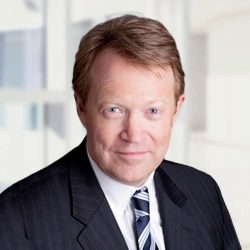
Economic Trends in a Changing Geopolitical and Social Landscape
13:15 - 14:00
PRESENTATION
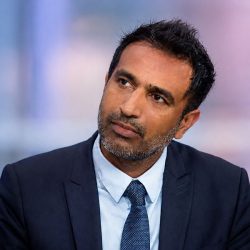
The Great Global Restructuring: Where Power, Capital and Opportunities Are Shifting
14:00 - 14:30
BREAK
Break
14:30 - 15:15
PRESENTATION

From Technology to Value: Rethinking Business Models for the Next Productivity Wave
15:15 - 16:15
PRESENTATION
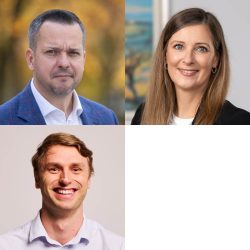
Business Transformation in Practice: Best Practice Examples, Creating Added Value, and the Role of Technology
Show Event Description
- Uroš Maklič, Managing Director of EasyPark Slovenia and Executive Director for the Adriatic region and Bulgaria at Arrive Group
- Kasia Polok, Director of Data & AI sector and Customer Value Management Retail sector, OTP Bank
- Ben Schwietert, Co-founder, Solvenia: AI and the New Solvers: Turning Business Problems into Business Value.
AI is changing how companies solve problems, make decisions and create value. At Solvenia, we call our people solvers: their job is to understand the business problem and find the best way to solve it, using AI as a powerful new tool. The real opportunity of AI is not doing the same things faster, but solving problems by building systems that were previously too difficult, expensive or time-consuming to build. Through a real project, I will show how AI can turn complex EU regulations and internal company documentation into actionable insights, identifying gaps, reducing risk and making audit preparation faster and more effective. Making insightful why AI makes conversations with colleagues, clients, users more important than ever.
16:15 - 16:45
Panel & Discussion: Strategic Capital for the Next Wave of Growth
16:15 - 16:30
PRESENTATION
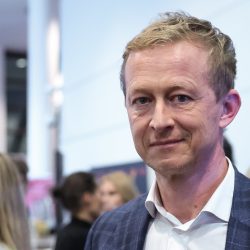
Closing the Financing Gap: The Role of Development Banks in the AI Economy
16:30 - 16:45
PRESENTATION
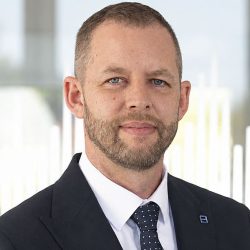
From Ownership to Value Creation: The Role of Strategic Capital
Show Event Description
*mogoča je še menjava govorca
16:45 - 17:15
BREAK
Break
17:15 - 18:00
PRESENTATION

Where Slovenia Is Gaining Development Momentum — and Where It Is Losing It: Growth in 2025–2026 and What Lies Ahead in 2027
Show Event Description
The Slovenian economy is outperforming expectations this year, with a positive outlook for 2026 and an equally encouraging forecast for 2027. Is this the result of greater competitiveness and productivity, domestic consumption, public investment, or favourable conditions in specific sectors? What are the differences between higher- and lower-performing industries and companies, and are these gaps widening or narrowing? What is happening in the labour market, and how important are foreign workers, and in which sectors?
Encouraging macroeconomic indicators also conceal significant disparities between companies and industries. Extensive survey data from WBES/B-READY show that differences between companies and between countries (Slovenia and better-performing EU member states) cannot be explained solely by differences in investment patterns or innovation performance, areas in which Slovenia does not systematically lag behind and, in some respects, even outperforms more developed countries. The quality of management, particularly the ability to translate knowledge effectively into business results, also plays an exceptionally important role.
18:00 - 19:00
ROUND TABLE DISCUSSION
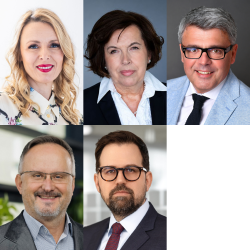
Expectations for 2027. Roundtable with managers.
20:00 - 22:30
GALA DINNER, AWARD CEREMONY
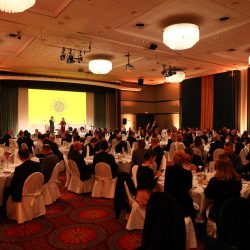
Finance Newspaper Award Ceremony for Outstanding Achievements in Economy and Gala Dinner
22:30 - 01:00
ZABAVA
09:00 - 10:00
PRESENTATION
SEB LU research: Machines, software and ideas: the dynamics of tangible and intangible investments in Slovenia
Show Event Description
Slovenia faces a challenge shared across the European economy: compared to the US and China, the EU invests significantly less than necessary—both in machinery and buildings as well as in research, software, and knowledge. Students of the international master’s program IMB will present the results of a study that highlights investments on three levels. At the macroeconomic level, it analyzes investment activity in the EU, the US, and China over the 2000–2025 period; at the industry level, it compares investments in selected manufacturing and service sectors between Slovenia and other EU countries; and at the firm level, it compares access to financial sources in Slovenia with other euro area countries. Based on survey data from Slovenian firms, the study then empirically analyzes their investment activity, motives and obstacles to investing, the extent of green investments, and the adoption of new technologies, which represent an important part of corporate investments. Case studies of companies such as Better, Terme Olimia, Paloma, and BYD demonstrate how successful businesses combine investments in tangible and intangible capital to enhance their market competitiveness.
10:00 - 10:45
PRESENTATION
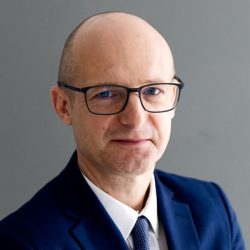
From Savers to Investors: Raising Slovenia’s Individuals’ Risk Appetite
Show Event Description
Slovenians now hold EUR 30 billion in bank savings, most of it in sight deposits earning very low or no interest. When asked why, people often point to negative experiences with investing in Slovenia in the past. But those events took place some twenty years ago, and today even the average Slovenian has access to securities from around the world at very low cost. Past experience with the domestic market can therefore hardly be the main reason.
A more likely explanation is that Slovenians tend to rely on the state to provide for them, both today and after retirement. What many overlook, however, is that their purchasing power could decline significantly if they rely solely on the state pension. Similarly, the data suggest that Slovenians are generally underinsured, perhaps with the exception of car insurance.
My aim is to encourage people to think more carefully about their own financial future. For some, keeping money in a bank deposit will still be the optimal solution. For many others, however, accepting a somewhat higher level of risk opens up considerably better alternatives. These may include investment funds, including ETFs, individual securities, including through individual investment accounts (INR), supplementary voluntary pension insurance, or other forms of investment.
10:45 - 11:00
BREAK
Break
11:00 - 11:45
ROUND TABLE DISCUSSION
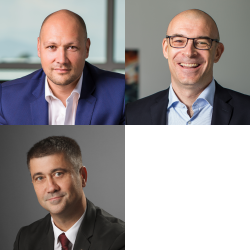
Where Is the Money Going? How CEOs Are Investing Today
11:45 - 12:30
PRESENTATION
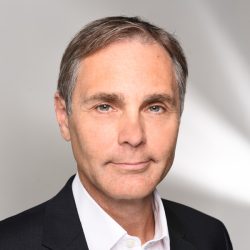
Quo Vadis, Automotive Industry?
Show Event Description
The automotive industry is one of the sectors undergoing the greatest disruption worldwide. Traditional car manufacturers and suppliers in particular are facing profound changes. Stagnating growth in many regions, the transformation of powertrain technologies, the global rise of Chinese manufacturers, geopolitical tensions and changing consumer behaviour are just some of the forces driving the transformation of the entire industry.
Where are the opportunities for growth, and what paths must manufacturers and suppliers take to remain successful in the long term? What options are available to Slovenian suppliers – both within the automotive industry and beyond it?
12:30 - 13:00
BREAK
Break
13:00 - 13:45
ROUND TABLE DISCUSSION
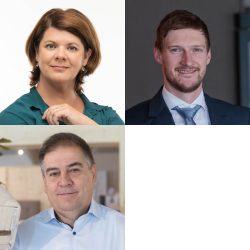
How to Do Business in This Crazy World: How Companies Are Reinventing Themselves in Times of Change
13:45 - 14:15
DISCUSSION
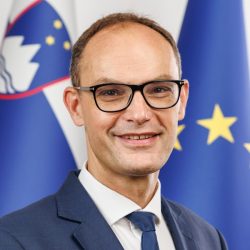
Closing discussion: How Can Slovenia Become More Economically Competitive?
14:15 - 14:20
Closing Remarks and Conference Conclusion